Lang
Lang



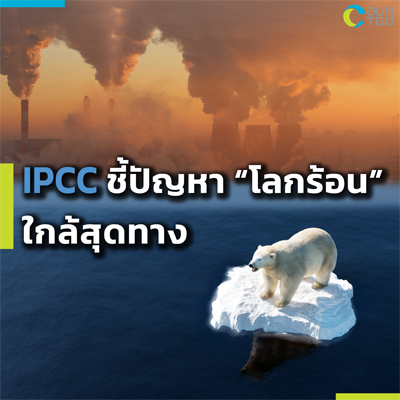
Meteorological Office of United Kingdom forecast that next year will be warmer than this one, and one of the hottest on record. The predictions suggest it will be the 10th year in a row the global temperature is at least 1°C above average. Government globally have promised to cut emissions to keep temperature rise below 1.5°C to avoid the worst effects of climate change. Now, the world has already warmed by around 1.1°C compared to the period before the industrial Revolution in 1750-1900 when humans began burning amounts of fossil fuels, releasing warming gases into atmosphere.
Temperatures in 2023 are forecast to be between 1.08°C and 1.32°C above the pre-industrial average. The warmest year since records began in 1850 was in 2016. But the past three years have been affected by another weather pattern called La Niña when cooler-than-average sea temperatures in the Pacific lowered the average global temperature and it will be lead global temperature warmer than in 2022. But some parts of the world such as the Artic are warming at faster rate than average.
Richard Allan, professor of climate science at University of Reading told that after the effect from La Niña end, it will accelerate the global temperature and climate change until policies are in place to achieve net zero greenhouse gas emission. Rising temperatures are predicted to lead to devastating effects on humans and nature, including more drought, desertification and heat-related illness.
Reference: https://www.bbc.com/news/science-environment-64032458